
Practical guides · process
Before Changing a Commercial Space: An Electrical Planning Checklist
Before adding equipment, outlets or lighting to a commercial space, clarify the intended use, electrical supply, landlord permission, permitting route and shutdown needs.
What you’ll learn
- Define the intended use and gather equipment specifications before committing to purchases or a final layout.
- Evaluate connection needs, circuit capacity and upstream supply as separate questions.
- Treat landlord authorization, electrical permits and broader operating approvals as distinct responsibilities.
- Plan shutdowns, safe work-area access and closeout records alongside the installation itself.
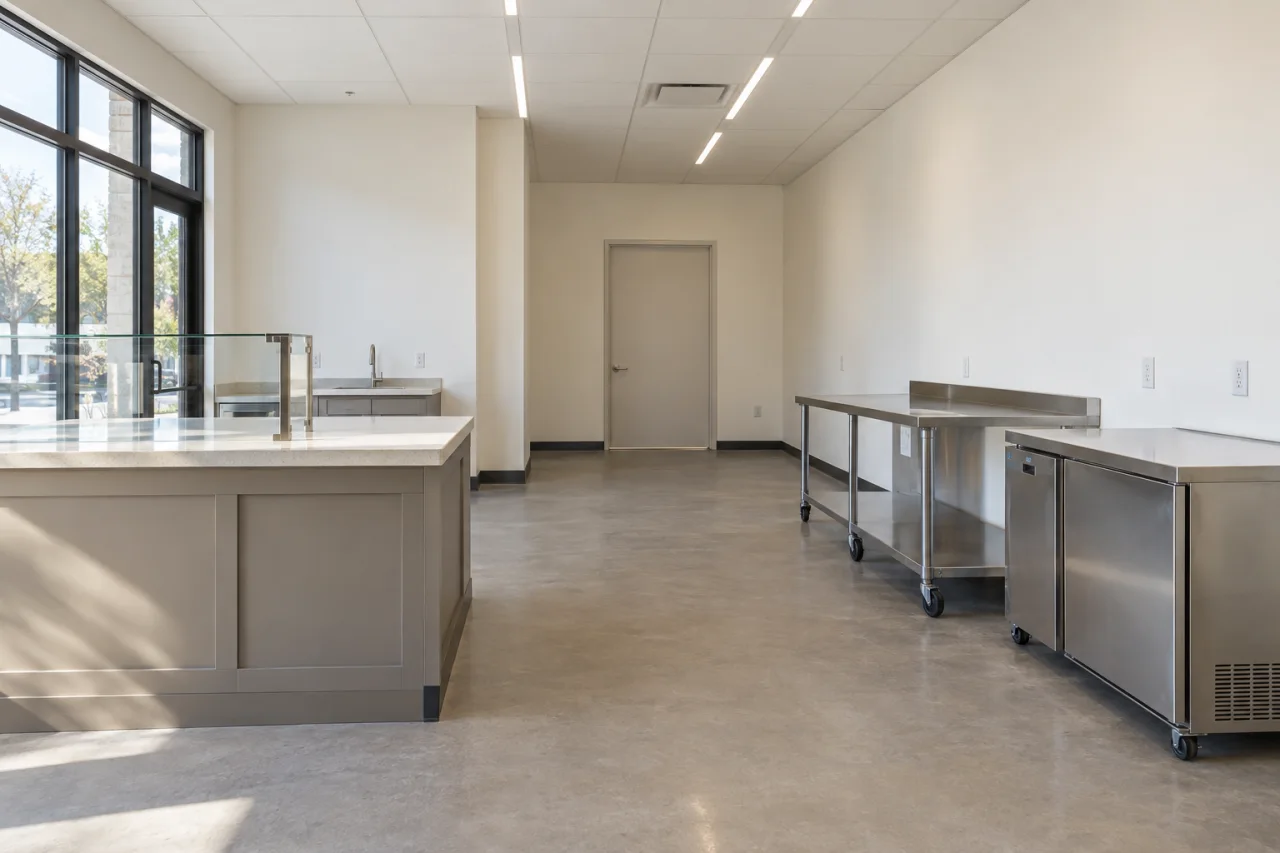
A new appliance, another workstation or a lighting change begins with a business need. Before committing to the purchase or layout, clarify what the space will need electrically—and what approvals sit outside the electrical work. For business owners and tenants in West End and Moore County, this checklist organizes the information to gather, questions to ask and decisions to resolve. It is a preparation guide, not a substitute for a site assessment or a guaranteed approval path.
1. Describe the intended use—not just the business category
Start with what people will actually do in the space. “Retail” or “office” is less useful than a description of workstations, production equipment, refrigeration, customer areas and operating hours. Identify equipment that runs together and anything expected to remain on overnight.
Mark proposed equipment, counters, partitions and work areas on a simple layout. Include likely future additions, but distinguish firm plans from possibilities so they can be evaluated separately.
For an existing tenant space, ask the owner for the previously approved use and available occupancy records. A different business activity deserves a permitting discussion even if the walls stay put. Moore County’s change-of-use application asks for both current and proposed use; describe the change accurately rather than assuming the previous tenant’s approval covers it.
2. Build an equipment information packet
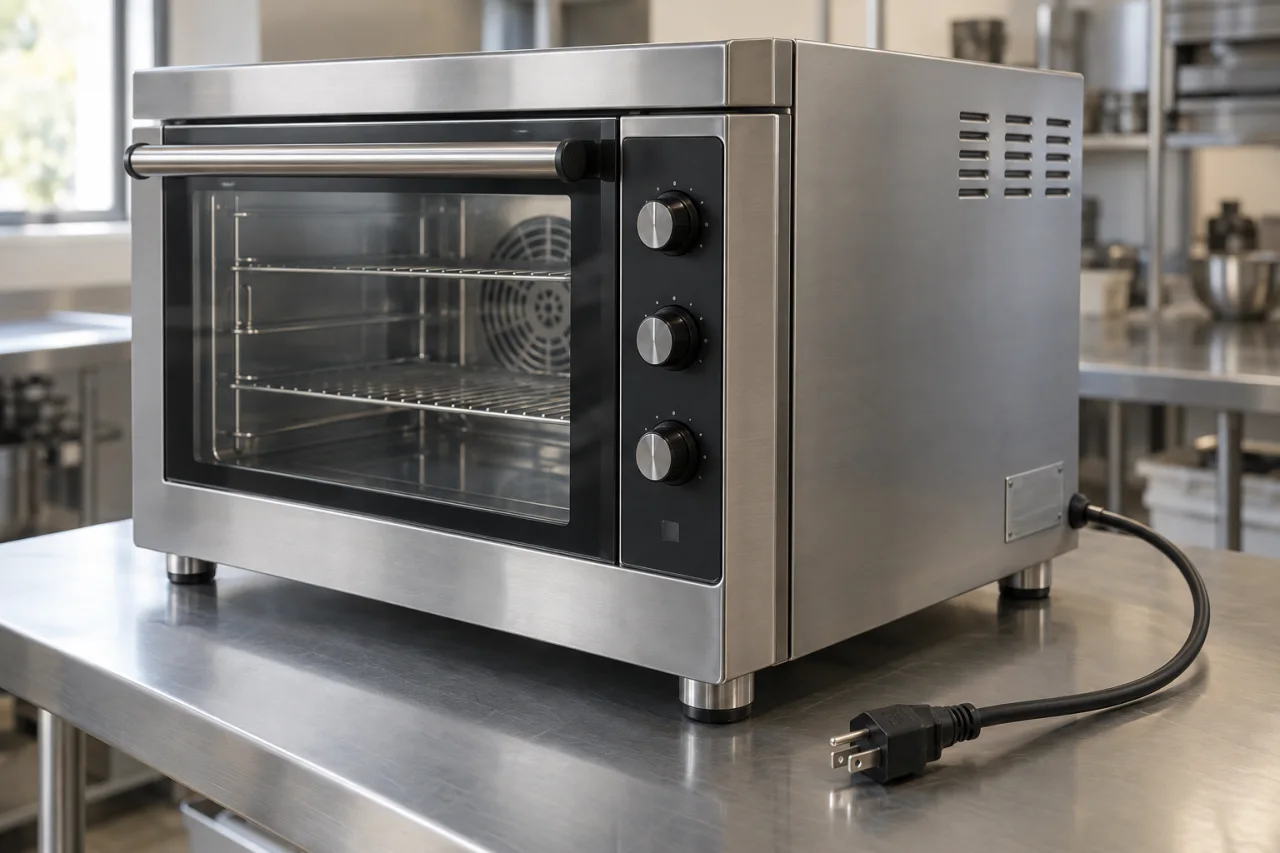
Before ordering equipment, assemble the information needed to evaluate its electrical supply. A sales listing or photograph of a plug is not a substitute for the manufacturer’s requirements. Ask about voltage, phase, current or power rating, and whether a dedicated circuit or permanent connection is specified.
Capture only information accessible without removing guards or electrical covers. If a nameplate is inaccessible, bring the model information and ask how to obtain the missing specifications safely.
This preparation also helps when comparing equipment options: ask whether each candidate fits the existing supply or would require different electrical work. A lower purchase price alone does not resolve that question.
- Equipment manufacturer and exact model number.
- Photographs of safely accessible exterior nameplates.
- Manufacturer installation instructions and connection requirements.
- Proposed location, operating hours and equipment used simultaneously.
- Known cleaning conditions, moisture exposure or other environmental concerns.
3. Clarify capacity before choosing the scope
Separate three questions: Is there a suitable connection where the equipment belongs? Can the supplying circuit carry the intended load? Can the upstream electrical system support the change?
An empty outlet, unused breaker position or large number on a panel does not answer all three. Ask the electrician what existing-load information, calculations or further evaluation are needed. Include equipment being removed, but do not assume its former circuit is suitable for a replacement.
Request options before assuming a panel upgrade is necessary. Could a different equipment choice or layout meet the need with a narrower scope? Conversely, would a small addition leave a larger supply constraint unresolved? Planning an Electrical Panel Upgrade: Loads, Permits and Inspections explores the broader capacity discussion.
4. Match outlets and lighting to the actual work
Keep the requested improvement distinct from the electrical work needed to support it. For Outlets & Switches, explain what will connect, where it belongs and how the area is used. Additional receptacles provide connection points; they do not, by themselves, increase available circuit capacity.
For lighting, describe tasks, furniture positions, operating hours and controls before selecting fixtures. Ask which parts of the proposal are ordinary task or ambient lighting and which involve required safety systems. Do not assume a decorative lighting change resolves emergency-lighting or exit requirements.
Compare lighting alternatives on the same scope, including installation and maintenance access—not just product cost. Commercial LED Upgrades: Compare Total Cost, Not Just Bulb Prices provides a useful companion discussion.
5. Settle landlord permission and the permitting route
Resolve property permission and permitting as separate planning items. Review the proposed scope with the landlord or property manager, and document responsibilities before equipment arrives or finishes are disturbed. These are questions to settle, not assumptions about what every commercial lease requires.
For a Moore County address, confirm the authority handling building and electrical inspections and any separate municipal zoning approval. The county publishes commercial, individual-trade and change-in-use application routes; that does not mean every project needs all three.
Ask the applicable office which route, drawings, professional design and inspections your scope requires. North Carolina law addresses electrical alterations specifically, so do not assume a modest budget makes the work permit-exempt.
- Who can authorize alterations and sign property-owner documents?
- Who is responsible for permits, design submissions and inspection coordination?
- Who pays for electrical work, finish repairs and changes to shared infrastructure?
- What access, noise, shutdown and restoration conditions must be agreed before work?
6. Separate electrical approval from permission to operate
Electrical improvements are one part of preparing a commercial space. Ask whether the proposed use or alterations also affect occupancy approval, exits, accessibility, fire protection, ventilation, plumbing or zoning. Have the relevant officials or design professionals identify the requirements instead of treating an electrical proposal as a whole-building approval.
Foodservice is an important local example. Moore County Environmental Health requires applicable plan review and approval before construction and operation of new or remodeled establishments. Submitting plans to the local building-inspection jurisdiction does not notify Environmental Health.
If you are adding food preparation to a former retail space, clarify that separate review before purchasing equipment. The county cautions that equipment installed before approval is not guaranteed acceptance. Avoid building the opening schedule around an unresolved use question.
7. Coordinate shutdowns and protect work-area access
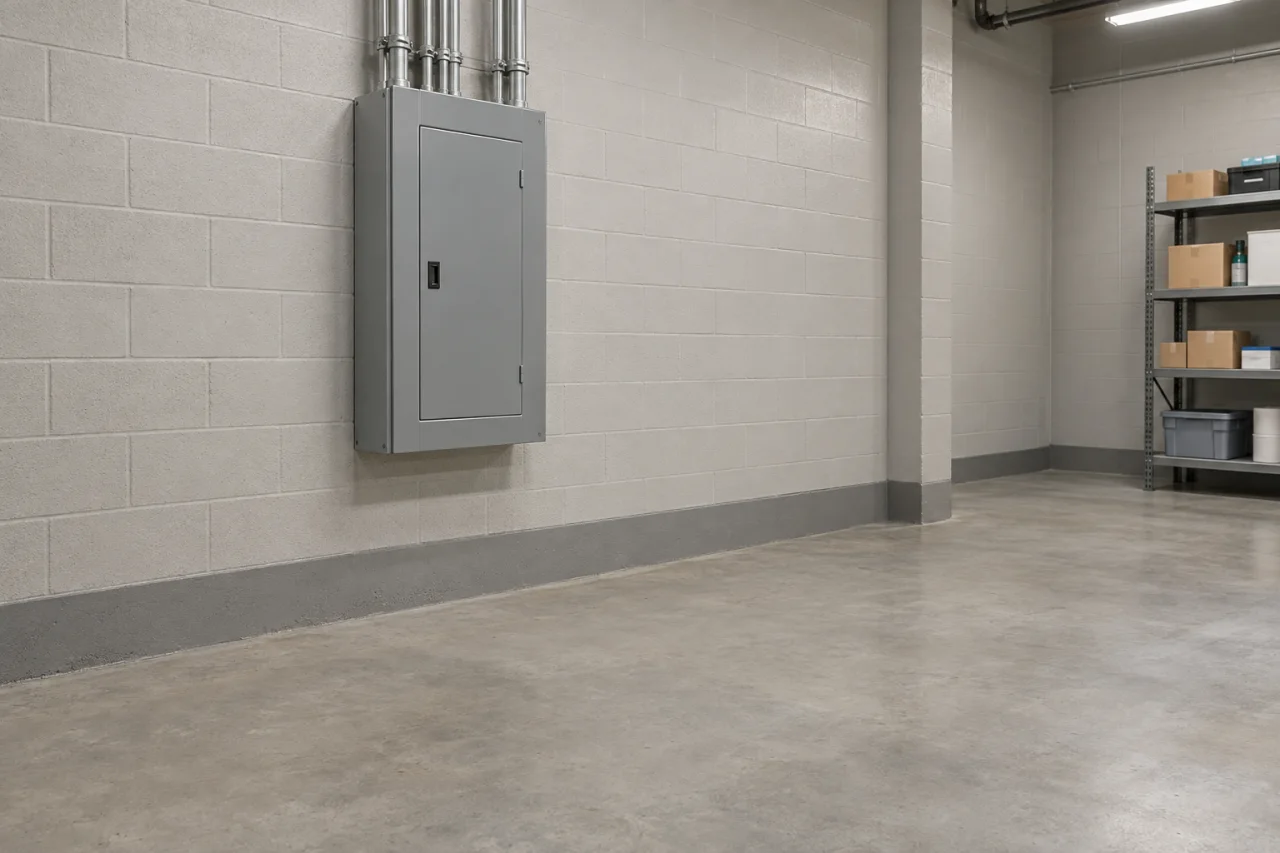
Identify what an outage could interrupt: payment systems, refrigeration, computers, security, shared tenant equipment and any life-safety systems. Agree who will notify affected parties, protect sensitive operations and authorize a shutdown. Ask what conditions must be satisfied before restarting.
Work exposing employees to live electrical parts generally requires deenergization unless a recognized exception applies. Qualified personnel must handle the relevant isolation, lockout or tagging and verification; switching equipment off is not the same as verifying it safe. Do not ask staff to remove covers or investigate live circuits to speed up planning.
Plan access as carefully as timing. Identify locked rooms, ceiling access and occupied work areas. Keep electrical working space free of storage, and coordinate barriers and inspection access without blocking normal escape routes.
8. Bring a decision-ready brief to the electrical discussion
Use the checklist to prepare a conversation, not to predict approval. Ask for a written scope that distinguishes electrical installation from design, utility changes, other trades and wall or ceiling repairs. Compare proposals using the same equipment and layout assumptions; otherwise, a smaller total may simply describe less work.
At completion, ask for applicable permit and inspection records, updated circuit information, equipment instructions and any maintenance recommendations. Keep these accessible for the next tenant change or equipment addition. Preserve required working space after opening rather than allowing it to become overflow storage.
The Electric Knight serves businesses in West End and Moore County. Bring your layout, equipment information and unresolved questions to a discussion about Commercial Electricians so the proposed work can be considered in context.
- Confirm the intended use, layout and equipment list are consistent.
- Resolve landlord authorization and responsibility for shared equipment.
- Confirm the permitting route and any separate building, fire, zoning or health reviews.
- Identify capacity questions and assumptions that remain unresolved.
- Agree on shutdown windows, tenant notifications and inspection access.
- Request clear inclusions, exclusions and responsibility for finish restoration.
- Ask which closeout records and maintenance instructions should be retained.
Questions & answers
What should I gather before discussing commercial electrical changes?
Prepare a proposed layout, equipment model numbers, accessible nameplate photographs, installation instructions and operating schedules. Add landlord contacts, existing drawings if available, and any restrictions on shutdowns or access. Leave electrical covers in place; missing technical information can become a question for the assessment.
Does an unused breaker position mean there is room for more equipment?
Not by itself. Physical space does not establish whether the circuit, panel, feeder or service can support the proposed load. Ask what capacity evaluation is needed and whether the equipment’s voltage, phase and connection requirements match the available supply.
Does landlord permission replace an electrical permit?
No. Treat property-owner authorization and regulatory approval as separate questions. Confirm what the lease requires, then have the applicable permitting office identify the permits and inspections for the proposed work.
Can electrical work happen while the business stays open?
Possibly, but do not assume uninterrupted operation. The affected circuits, work-area separation and safe shutdown requirements determine what is practical. Coordinate an outage window and a restart plan; normal business inconvenience is not a reason to assume exposed energized work is acceptable.
Will an electrical inspection approve my entire business space?
Do not treat electrical approval as complete authorization to occupy or operate. Depending on the use and alterations, building, zoning, fire or health approvals may also apply. Foodservice operators in Moore County must address Environmental Health separately from building-inspection submissions.
Sources & further reading
- OSHA 29 CFR 1910.303 — General electrical requirements
Equipment ratings, suitability for the operating environment, compliance with listing instructions, circuit identification and unobstructed electrical working space. Supports the equipment packet, access and recordkeeping guidance. ([osha.gov](https://www.osha.gov/laws-regs/regulations/standardnumber/1910/1910.303))
- OSHA 29 CFR 1910.304 — Wiring design and protection
Receptacle and circuit rating compatibility, limits on connected receptacle loads, and overcurrent protection based on safe current-carrying ability. Supports distinguishing additional connection points from available electrical capacity. ([osha.gov](https://www.osha.gov/laws-regs/regulations/standardnumber/1910/1910.304))
- OSHA 29 CFR 1910.333 — Selection and use of work practices
Deenergization before work exposing employees to live parts, limited exceptions, lockout/tagging requirements and qualified-person verification. Supports shutdown planning and the distinction between switching off and establishing a safe deenergized condition. ([osha.gov](https://www.osha.gov/laws-regs/regulations/standardnumber/1910/1910.333))
- North Carolina General Statutes, Chapter 160D, Article 11 — Building Code Enforcement
Section 160D-1110 addresses permits for electrical installation, extension, alteration and general repair, with specific exceptions. Supports confirming permit applicability rather than assuming low project cost establishes an exemption. ([ncleg.gov](https://www.ncleg.gov/EnactedLegislation/Statutes/HTML/ByArticle/Chapter_160D/Article_11.html))
- Moore County — Building Applications
Lists Moore County's commercial application, individual-trade application and change-in-use application routes. Supports asking which application path applies to a particular scope. ([moorecountync.gov](https://www.moorecountync.gov/258/Building-Applications))
- Moore County — Change of Use Permit Application Packet
Requests current and proposed uses, describes review by county departments, and identifies municipal-jurisdiction approval and unincorporated-county planning considerations. Supports accurate use descriptions and jurisdiction questions. ([moorecountync.gov](https://www.moorecountync.gov/DocumentCenter/View/563))
- Moore County — Individual Trade Permit Application Packet
Identifies individual-trade application requirements, possible separate municipal zoning approval and the need to provide inspector access to permitted work. ([moorecountync.gov](https://www.moorecountync.gov/DocumentCenter/View/551))
- Moore County Environmental Health — Foodservice Facilities
Requires applicable foodservice plan review before construction and operation; explains that building-inspection submissions do not notify Environmental Health and that equipment installed before approval is not guaranteed acceptance. ([moorecountync.gov](https://www.moorecountync.gov/541/Foodservice-Facilities))
Prepared and automatically checked on . Conditions, costs and requirements can change. Ask about the details that apply to your situation.
Continue reading
Helpful next reads
What Affects the Cost of Wiring Repairs?
The visible problem is only the starting point. Learn how diagnosis, circuit extent, access, damaged components and restoration responsibilities shape a wiring repair estimate.
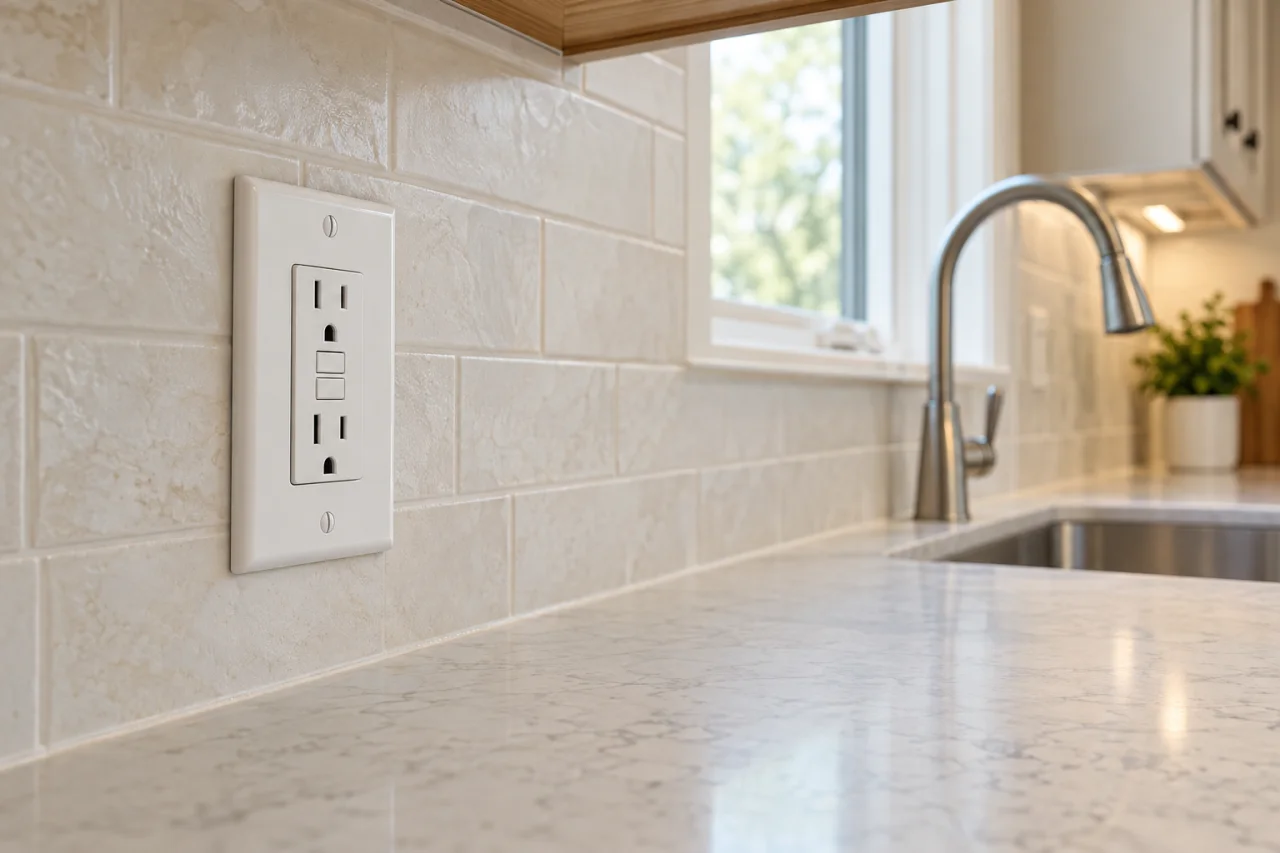
GFCI, AFCI, Tamper-Resistant and Weather-Resistant: What Is the Difference?
These four labels address different hazards. Learn how shock protection, arc-fault protection, internal shutters and outdoor ratings work together—and what to ask before replacing an outlet.

Older-Home Electrical Problems: Targeted Repair or a Broader Upgrade?
An older home does not automatically need rewiring. Learn how condition, grounding, wiring type and household loads help distinguish a targeted repair from a broader upgrade.