Practical guides · local
A Moore County Storm-Outage Plan for Essential Power Needs
Build a household outage plan around essential needs, safe generator operation and practical alternatives—not assumptions about when power will return.
What you’ll learn
- Prioritize health, refrigeration, communication and safe lighting before discretionary appliances.
- Confirm medical-device backup arrangements with clinicians and manufacturers, including a relocation plan.
- Size backup power for starting loads and overlapping demand, not running watts alone.
- Portable generators need safe outdoor separation, working CO alarms, proper connections and careful fuel handling.
- Decide when to relocate before loss of power makes the decision urgent.
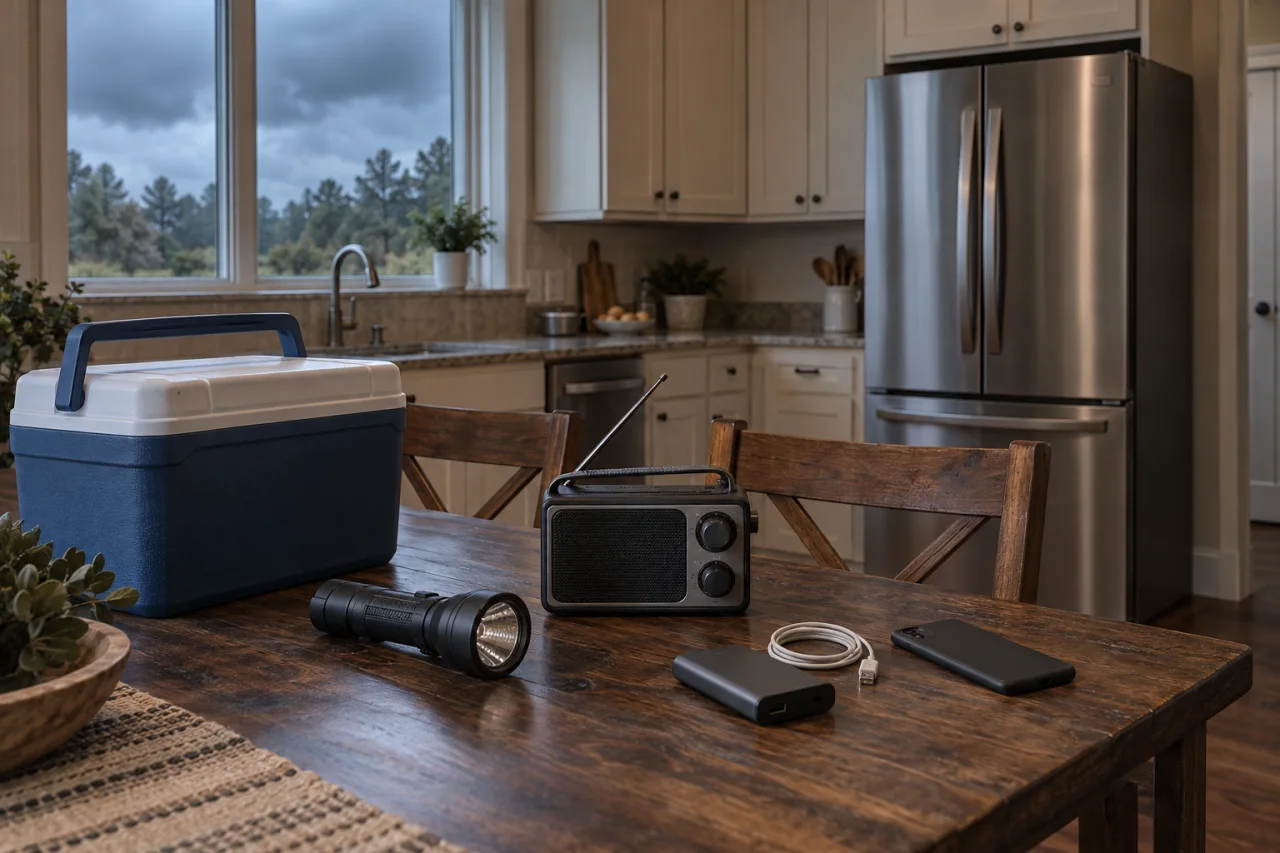
Before a storm interrupts power, decide what your household must keep running—and what you will do if backup power cannot support it. For a Moore County home, a useful plan covers medically necessary equipment, refrigeration, communication and lighting before everyday conveniences. Whether you are considering a portable or standby generator or preparing without one, start with essential needs, equipment limits and a safe alternative location. No household plan should depend on a predicted restoration time.
1. Build a short list of essential needs
Start with people, not appliances. List anything needed for health, safe movement, communication and food storage. Then separate equipment that must remain powered from conveniences that can wait. A television and microwave should not compete with a medically necessary device simply because they are easy to connect.
Use the categories below as a starting point, not a universal ranking. A household member's medical condition may make heating, cooling or another need the highest priority. Record each item's model, power requirements, backup method and the person responsible for it. Include a fallback that does not depend on the same generator.
Essential needs and the limits to resolve before an outage
| Need | Plan ahead | Fallback or limitation |
|---|---|---|
| Medically necessary equipment | Confirm approved backup power with the manufacturer and interruption limits with the clinician. | Arrange an appropriate care location and transportation; do not improvise treatment. |
| Refrigeration | Identify food-storage needs and prepare appliance thermometers. | Use prepared coolers and ice; food-safety limits still apply. |
| Communication | Keep phone charging supplies and a battery-powered or hand-crank radio together. | Charging a phone does not guarantee that communications networks remain available. |
| Lighting | Prepare flashlights, portable lights and spare batteries. | Independent battery lighting reduces reliance on household circuits. |
2. Make medical needs a separate plan
For electrically powered medical equipment, plan with the treating clinician, device supplier and manufacturer before severe weather. Ask which backup sources are acceptable, how long the device can operate on its approved battery, how to change power sources and what to do if treatment is interrupted. Do not experiment with unfamiliar settings or substitute equipment.
Keep device instructions and contact information accessible without internet service. Agree on where to go and how to get there if home power cannot support care. Ask the receiving location whether it can accommodate the specific device and assistance required rather than assuming a general shelter can.
Refrigerated medicine needs its own plan. Ask the pharmacist or manufacturer about the exact product's temperature limits, transport and replacement. Food-storage rules are not medicine-storage instructions. If loss of power creates immediate medical danger, call 911 rather than waiting for electrical service.
3. Account for starting loads and overlapping demand
A refrigerator's normal operating demand is not the whole sizing question. Motors and compressors can need additional power when starting. Identify both running and starting requirements from equipment documentation; do not substitute a generic appliance chart for the actual models.
Review the loads that may overlap, including automatic restarts. Staggering discretionary appliances can reduce demand, but a plan that relies on constant switching may be difficult to maintain overnight or while caring for someone. Never interrupt medically necessary equipment merely to make room for another appliance.
Ask an electrician to review uncertain loads, voltage requirements and the proposed connection method. When discussing Generators with The Electric Knight, bring the priority list and equipment details. The useful question is not just whether a unit can power the house, but which essential needs it can support together and under what limitations.
4. Keep communication and lighting independent
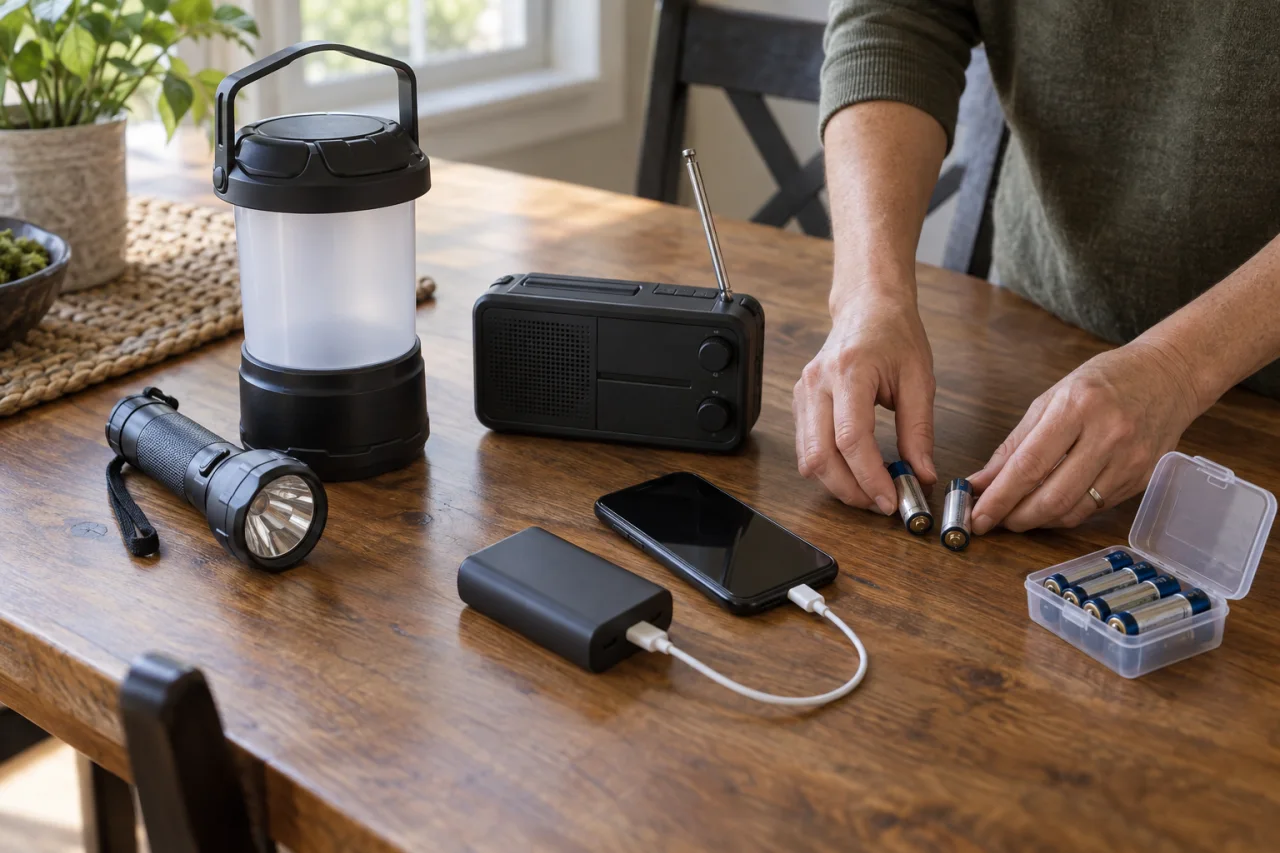
Put flashlights, spare batteries, a radio and phone-charging supplies in one accessible place. Make sure everyone knows where they are. ReadyNC includes these items in its emergency-kit guidance; they remain useful even when a generator is unavailable.
For West End and other Moore County households, the county Emergency Management page provides registration for emergency notifications. ReadyNC also provides utility outage-map and reporting links. Identify the utility serving your address before a storm and save its reporting information somewhere accessible offline.
Keep emergency notifications separate from restoration expectations. An outage map is an information tool, not a reason to postpone a medical fallback or remain in unsafe temperatures. Discuss household check-ins and a meeting location before communications become difficult.
5. Treat carbon monoxide precautions as nonnegotiable
Choose a safe portable-generator location before you need it. Operate it outdoors, at least 20 feet from the home and from doors, windows and vents, with exhaust directed away from buildings, including neighboring homes. Follow any greater separation required by the manufacturer. Never operate it in a garage, basement, crawlspace, shed or on a porch, even with doors open.
Install battery-operated or battery-backup carbon monoxide alarms on each floor and outside sleeping areas, and test them monthly. Automatic CO shutoff is a useful generator feature, not permission to reduce separation or skip alarms.
If a CO alarm sounds or poisoning is suspected, get everyone outside immediately and call 911. Headache, dizziness, weakness, nausea or confusion can be warning signs. Do not re-enter until responders say it is safe. If the property cannot accommodate safe operation, choose another backup approach.
6. Plan fuel, connections and maintenance together
Fuel planning includes safe storage, refueling and maintenance—not simply filling a tank. Follow the generator's specified fuel requirements and maintenance schedule. Use approved fuel containers, store fuel outside living areas away from ignition sources, and ask the fire department about storage restrictions. Shut the generator off and let it cool before refueling.
Keep the equipment dry and follow its instructions for weather protection. Never solve a rain problem by moving it into an enclosed space. Use appropriately rated, undamaged outdoor cords where the manufacturer permits direct appliance connections.
Never plug a generator into a wall outlet to energize household wiring. That can backfeed electricity and endanger utility workers and others. House-wiring connections require suitable transfer equipment installed by an electrician. Review generator readiness before storm season so maintenance questions and connection limitations are addressed before they become urgent.
7. Protect refrigeration—and know when to leave
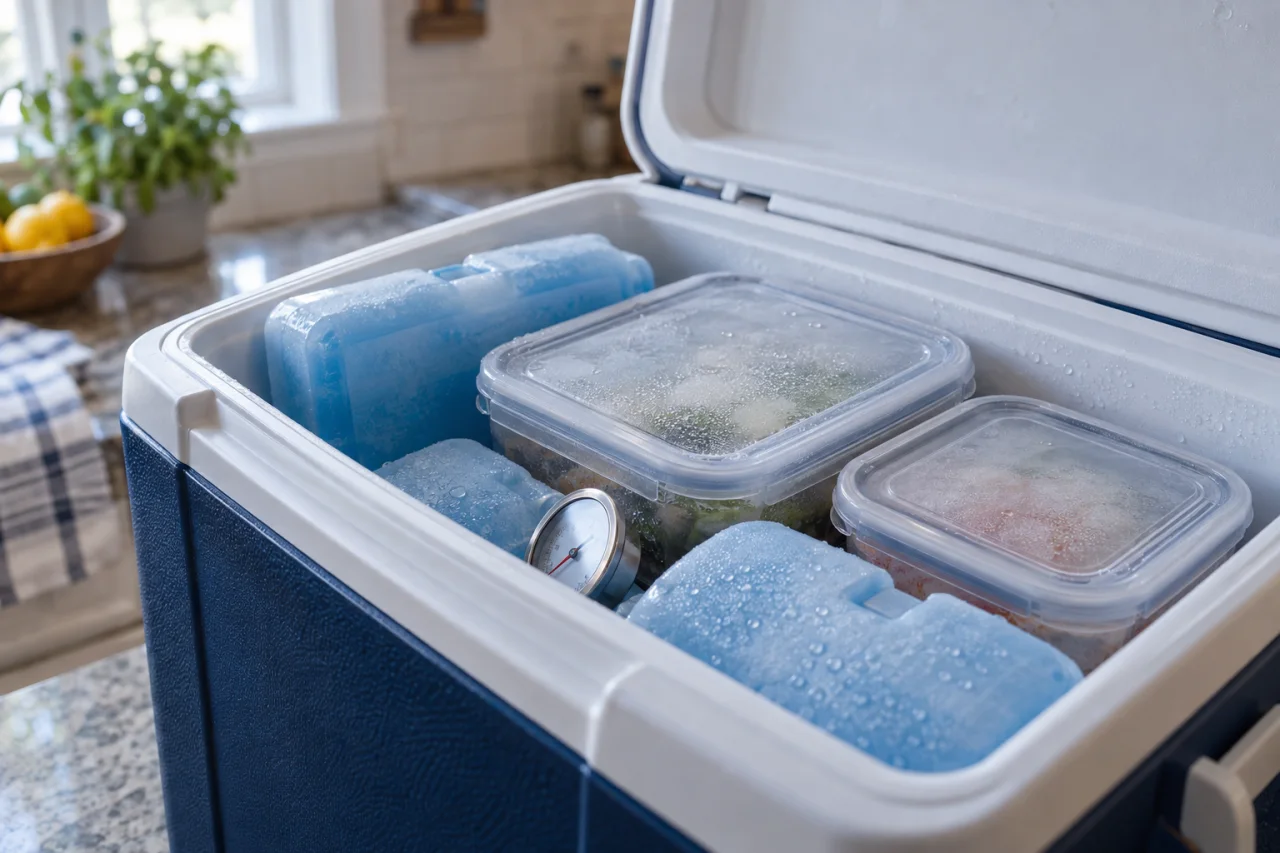
Prepare appliance thermometers, coolers and frozen gel packs before an outage. Keep refrigerator and freezer doors closed as much as possible. An unopened refrigerator keeps food cold for about four hours; a full freezer maintains temperature for approximately 48 hours, or 24 hours when half full, if unopened. These are conditional food-storage estimates, not predictions of outage duration.
Keep the refrigerator at or below 40°F and the freezer at or below 0°F during normal operation. During and after the outage, use temperature and food-safety guidance rather than appearance, smell or taste to judge food. Backup power does not erase time spent at unsafe temperatures.
If home temperatures become unsafe or essential care cannot continue, use the relocation plan. Do not use a gas oven to heat the house or bring outdoor cooking equipment inside.
8. Separate electrical service from emergency response
Smoke, flame, active arcing or a burning electrical odor calls for emergency action: leave the affected area and call 911 from safety. For suspected electric shock, call 911 and do not touch someone who may still be connected to electricity. Stay away from fallen lines and electrical equipment in standing water.
Repeated breaker trips without those immediate danger signs need an electrician, not repeated resetting. Do not open equipment or investigate a live fault. The Electric Knight offers Emergency Electrical Services for electrical problems; emergency responders and medical help take priority when life safety is involved.
Before the next storm, turn the list into a household plan. Equipment is only one part of readiness; knowing its limits and having somewhere safe to go are equally important.
- Review household priorities whenever medical equipment or major appliances change.
- Keep the generator manual and maintenance records accessible.
- Confirm a safe operating location, connection method and fuel-storage arrangement.
- Check lights, charging supplies and CO alarms before severe weather.
- Agree on relocation triggers, transportation and a destination.
Questions & answers
How large a generator does my household need?
That depends on the equipment, its starting requirements and what must operate together. Bring appliance model information and your essential-load list to an electrician. A running-watt total alone does not establish whether a generator can start a refrigerator or pump.
Can I run a portable generator in an open garage?
No. An open garage door does not make generator exhaust safe. Operate it outdoors, at least 20 feet from the home and doors, windows and vents, with exhaust directed away from buildings. Follow any greater manufacturer-required separation.
Does backup power mean refrigerated food will stay safe?
Not automatically. Interruptions, overloads or equipment problems can still allow food to warm. Keep doors closed, use appliance thermometers and follow food-safety guidance based on temperature and time. Never taste food to decide whether it is safe.
Can a household generator power my medical device?
Ask the device manufacturer about acceptable power sources and ask your clinician what interruption is medically tolerable. Do not assume generator capacity or a matching plug establishes compatibility. Arrange an alternative care location and transportation before an outage.
What if there is no safe place to operate a generator?
Do not compromise exhaust separation or move it into a garage, shed or porch. Use prepared battery-powered lighting and communication supplies, protect food with a cooler where appropriate, and relocate if medical needs or indoor temperatures cannot be managed safely.
Sources & further reading
- FDA: Home Use Devices—How to Prepare for and Handle Power Outages for Medical Devices that Require Electricity
Medical-device planning, approved alternative power, battery duration, interruption questions, emergency contacts and relocation arrangements. Also supports asking about refrigerated medical supplies and avoiding unfamiliar device actions. ([fda.gov](https://www.fda.gov/downloads/MedicalDevices/ProductsandMedicalProcedures/HomeHealthandConsumer/UCM252812.pdf))
- ReadyNC: Get a Kit
Emergency-kit preparation, accessible supplies, radio, phone charger, flashlights, batteries and planning for household-specific needs. ([readync.gov](https://www.readync.gov/plan-and-prepare/get-kit))
- FDA: Food and Water Safety During Power Outages and Floods
Refrigerator and freezer temperature targets, conditional unopened-appliance storage times, coolers, ice packs and food-safety assessment rather than appearance or odor. ([fda.gov](https://www.fda.gov/food/buy-store-serve-safe-food/food-and-water-safety-during-power-outages-and-floods))
- Honda Power Equipment: Generator Power Management
Differences between starting and running loads, prioritizing appliances, continuous versus occasional needs and managing discretionary overlapping loads. ([direct.powerequipment.honda.com](https://direct.powerequipment.honda.com/generators/generator-power-management))
- Moore County: Emergency Management
Moore County's official emergency-notification registration and preparedness links; does not establish outage duration or shelter capability. ([moorecountync.gov](https://www.moorecountync.gov/301/Emergency-Management))
- ReadyNC: Power Outages
Official North Carolina utility outage-map and outage-reporting resources. ([readync.gov](https://www.readync.gov/stay-informed/power-outages))
- CPSC: What to Know About Generators and Carbon Monoxide
Portable-generator outdoor placement at least 20 feet from the home, exhaust direction, prohibited enclosed locations, CO alarms and monthly testing, CO symptoms, evacuation and calling 911. ([cpsc.gov](https://www.cpsc.gov/s3fs-public/468_WhattoKnowGenerators_2022_v5.pdf?VersionId=X516X5DMmLdjZnKRrKI6GdwRoXLWlYb4))
- CDC: What to Do to Protect Yourself During a Power Outage
Separation from doors, windows and vents; seeking another safe location during dangerous indoor temperatures; prohibition on indoor outdoor-cooking equipment and using a gas oven for heat. ([cdc.gov](https://www.cdc.gov/natural-disasters/response/what-to-do-protect-yourself-during-a-power-outage.html))
- www.watchhillfire.com
Guidance referenced in this article on A Moore County Storm-Outage Plan for Essential Power Needs.
- www.cdc.gov
Guidance referenced in this article on A Moore County Storm-Outage Plan for Essential Power Needs.
Prepared and automatically checked on . Conditions, costs and requirements can change. Ask about the details that apply to your situation.
Continue reading
Helpful next reads

Is This an Electrical Emergency? Warning Signs and Safe Next Steps
A practical guide to choosing between evacuation and 911, a utility hazard report, and an electrical repair request—without approaching damage or testing suspect equipment.
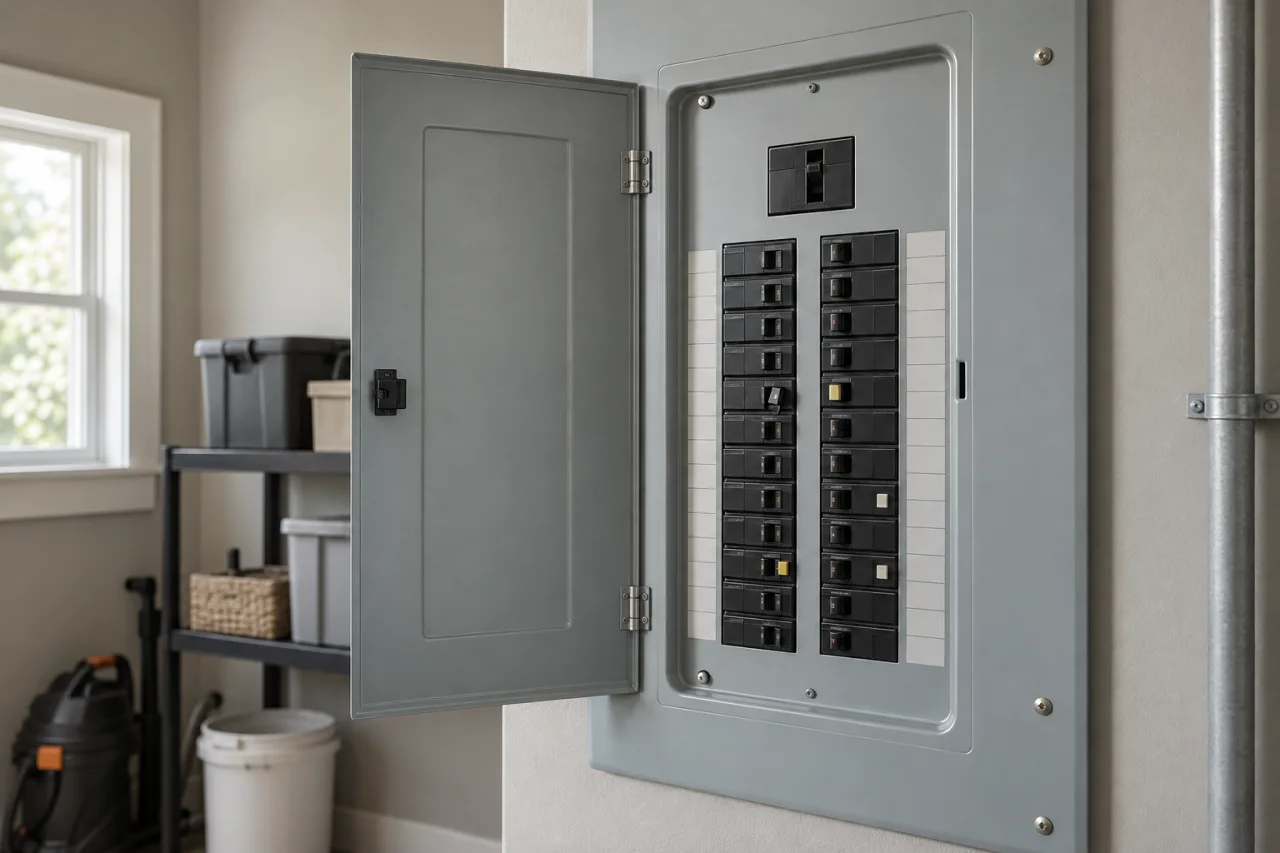
Why Does a Circuit Breaker Keep Tripping?
A repeatedly tripping breaker may be protecting you from an overload or electrical fault—not asking to be replaced. Learn which patterns matter and when to leave the circuit off.
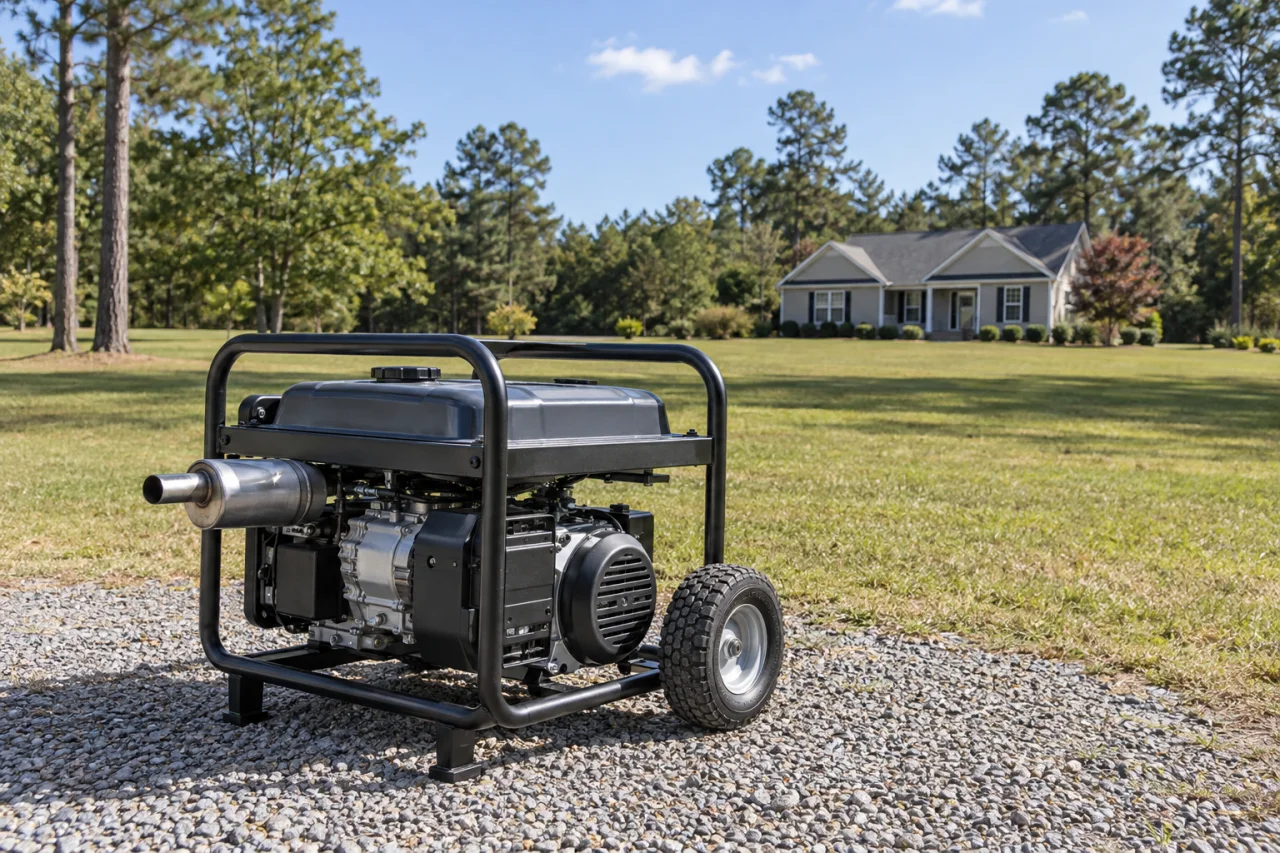
Portable or Standby Generator? Compare the Practical Tradeoffs
The right generator is the one that fits your essential loads, property and ability to operate it safely. Compare three arrangements, from appliance-only portable backup to automatic standby.