
Practical guides · comparison
Portable or Standby Generator? Compare the Practical Tradeoffs
The right generator is the one that fits your essential loads, property and ability to operate it safely. Compare three arrangements, from appliance-only portable backup to automatic standby.
What you’ll learn
- Start with essential loads and motor-starting demand, not the largest advertised wattage.
- A portable generator with transfer equipment remains a manually operated system.
- Safe placement, weather protection and fuel handling can determine whether a portable option is practical.
- Automatic standby power still depends on adequate fuel, appropriate sizing and model-specific maintenance.
- Compare complete installation scope and operating responsibilities before choosing.
Choosing backup power is not simply choosing between a smaller machine and a larger one. The practical question is what must keep running, who will operate the equipment and whether your property can accommodate it safely. For homeowners in West End and across Moore County, a portable generator may suit a limited, hands-on outage plan; an automatic standby system may suit different needs. Compare the complete arrangement—loads, connections, location, fuel and maintenance—before deciding.
1. Define the essentials before choosing capacity
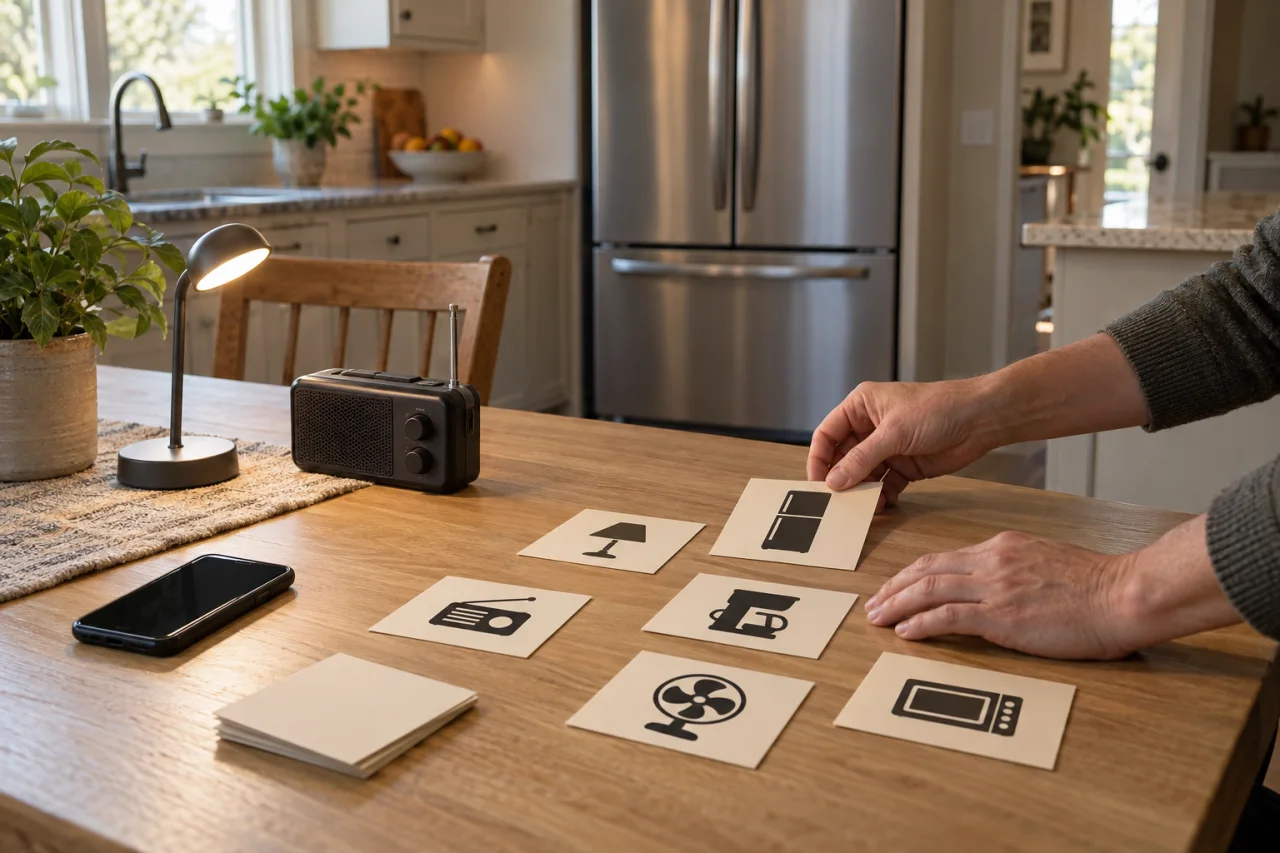
Start with what must keep working, rather than a generator's advertised maximum output. Refrigeration, a well pump, selected lighting and communications may matter more than cooking appliances or laundry. Separate continuous needs from equipment you can leave off or use at different times.
Motors can require more electricity to start than to keep running. A refrigerator, pump or heating-system blower therefore needs more consideration than its running wattage alone. Record appliance model information and have an electrical professional assess starting demand, voltage and simultaneous loads.
Do not assume a generator can support an appliance merely because its plug fits. Hardwired equipment also changes the connection plan. Build your storm-outage plan for essential power needs around a realistic priority list before choosing equipment.
2. Compare three practical arrangements
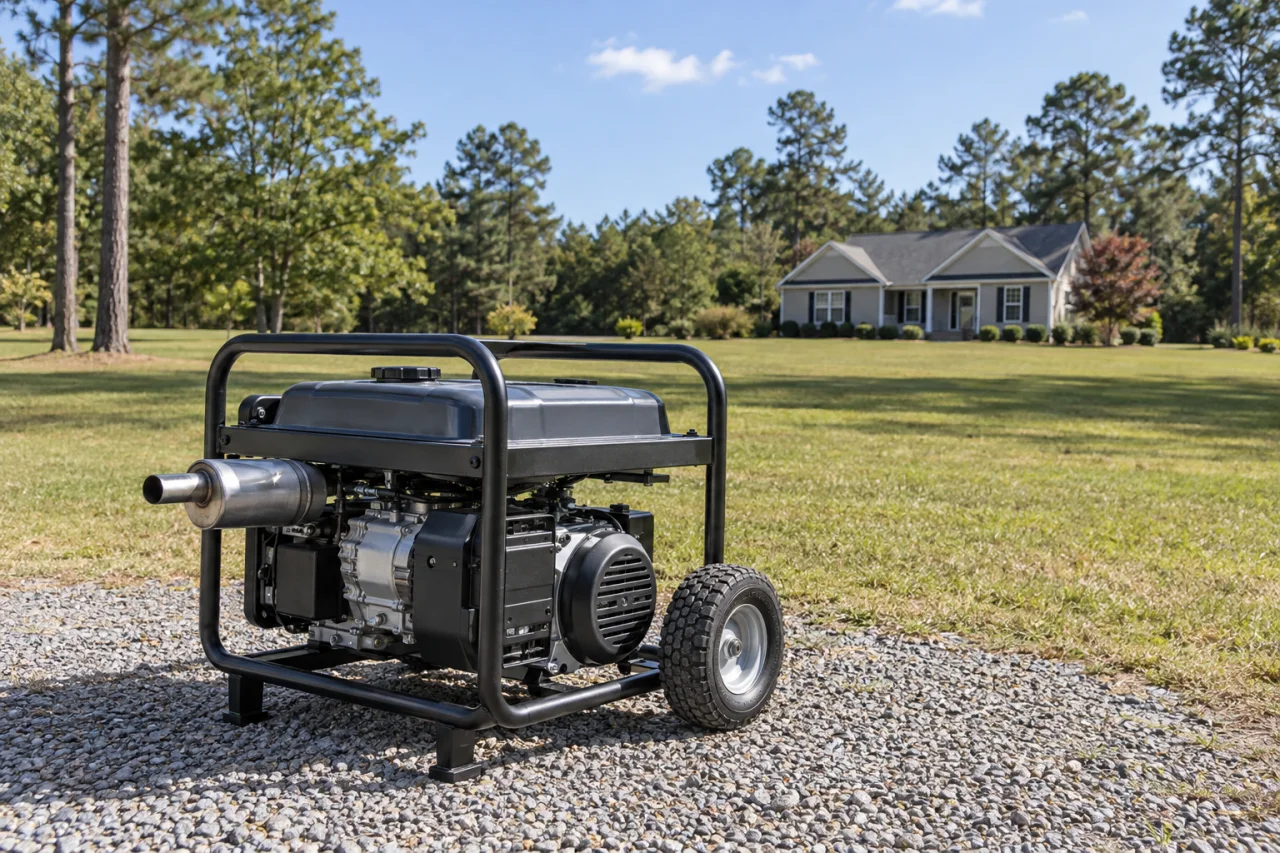
There are three useful arrangements to compare: a portable generator supplying suitable plug-in appliances, a portable generator serving selected household circuits through professionally installed transfer equipment, and a permanently installed automatic standby system.
The middle option deserves attention. It can make selected hardwired loads accessible without making the generator automatic. Someone still needs to be present and capable of operating the portable equipment. None of these arrangements provides unlimited capacity.
Three backup-power arrangements and where their limitations matter
| Option | Benefits and applicability | Tradeoffs and limitations | Main cost considerations |
|---|---|---|---|
| Portable generator with suitable appliance cords | Useful for a limited group of compatible plug-in essentials; generally lower initial expense. | Manual placement, starting and refueling; cord ratings and appliance demand limit use. Does not supply hardwired circuits this way. | Generator, suitable cords, safe fuel storage and ongoing upkeep. |
| Portable generator with manual transfer equipment | Can supply selected household circuits, including suitable hardwired loads, when professionally designed. | Still requires manual generator operation; transfer equipment does not increase generator capacity. | Generator plus compatible transfer equipment, inlet, electrical work and applicable permits. |
| Permanent automatic standby generator | Automatic outage response; can serve selected circuits or broader household needs when appropriately sized. | Requires a feasible permanent site, fuel supply and professional installation; automatic operation is not maintenance-free. | Generator, automatic transfer switch, site preparation, fuel work, permits and maintenance. |
3. Match the operating burden to your household
A portable generator is a hands-on responsibility. Consider who could move it from storage, reach its safe operating location, manage fuel and follow the operating instructions after dark. A plan that depends on one physically capable person has a weakness whenever that person is away.
Automatic standby equipment addresses the need for manual deployment and starting. That can matter when occupants cannot handle portable equipment or when the property is unattended. It does not eliminate fuel interruptions, faults or maintenance needs.
Also consider your willingness to limit demand. Using selected appliances at different times can reduce the capacity needed, but it requires an operating plan. Ask whether a proposed standby design includes load management and what that means for everyday appliances during an outage.
4. Treat transfer equipment as part of the system
Transfer equipment separates generator power from utility power when supplying building circuits. Manual and automatic arrangements serve different operating needs, but both must be compatible with the generator and electrical system.
Backfeeding occurs when generator electricity flows into wiring or utility lines in an unsafe, unintended way. It can injure or kill workers restoring service. Never plug a generator into a household wall receptacle or use a cord with exposed male plugs at both ends.
Have a qualified electrician evaluate the connection design, panel compatibility and applicable requirements. Do not improvise connections or open energized equipment. If the discussion identifies existing panel limitations, electrical panel upgrade planning can help you understand the separate questions involved; a generator purchase does not automatically mean a panel replacement is necessary.
5. Resolve placement and weather exposure before buying
For portable generators, location can rule out an otherwise attractive purchase. Operate outdoors only, at least 20 feet from homes and buildings and more than 20 feet from doors, windows and vents. Point exhaust away from buildings, including neighboring homes. Never operate in a garage, shed, basement or other enclosed space, even with doors open.
Rain creates a separate electrical hazard. Follow the manufacturer's weather-protection instructions; bringing the machine into a garage is not a solution. If safe outdoor operation is not possible in the conditions, do not run it.
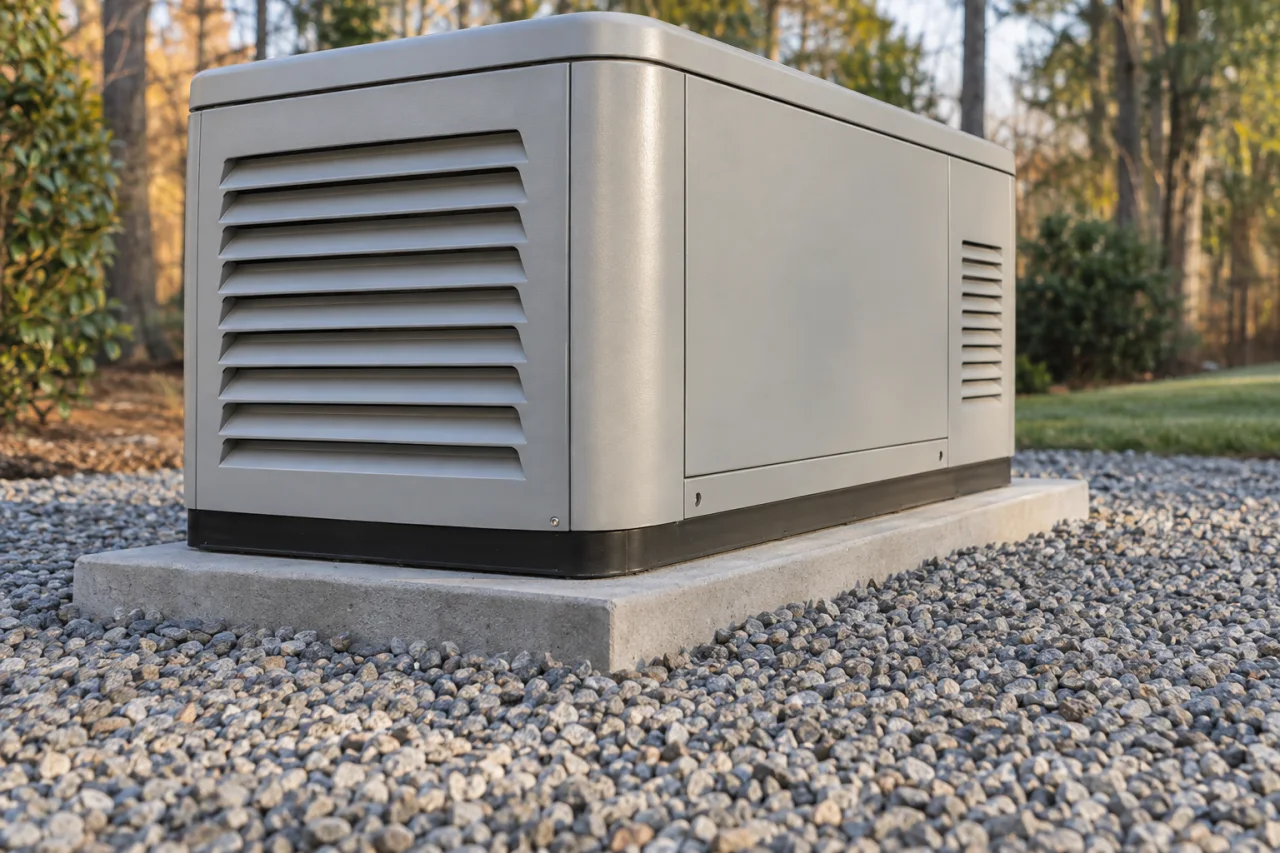
A permanent standby installation needs its own site assessment, manufacturer clearances and applicable local approvals. Do not apply portable-generator spacing as a universal standby installation rule. Discuss openings, neighboring property, drainage, noise, airflow and service access before selecting a location.
6. Plan fuel and maintenance for the longer outage
For a gasoline portable, fuel storage and replenishment belong in the plan. Follow the equipment manual's fuel and storage requirements; stale gasoline can create starting problems. Shut the generator down and allow it to cool before refueling. Never refuel a running engine.
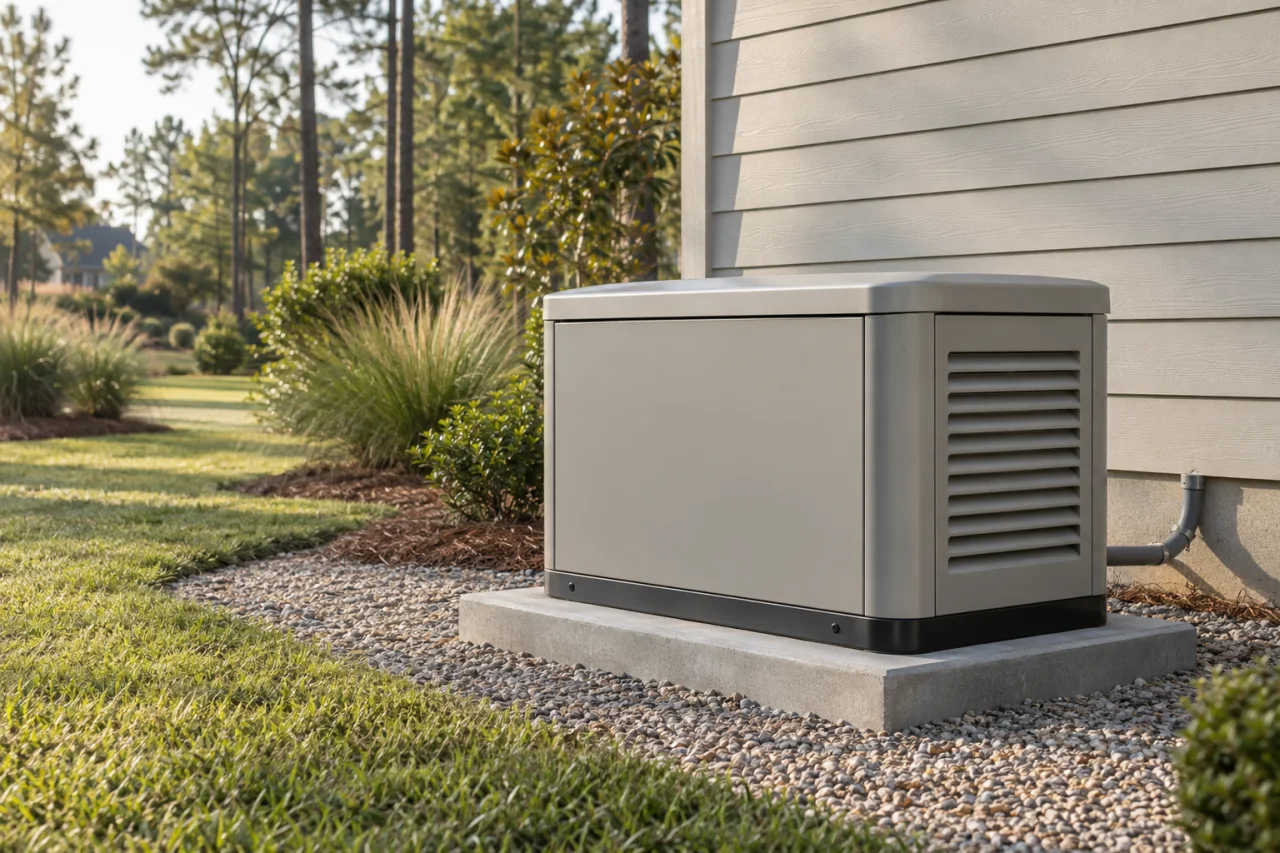
Many residential standby generators use natural gas or propane. Natural gas depends on utility fuel service remaining available. Propane depends on stored supply, tank capacity and replenishment; other appliances may draw from the same tank. Neither arrangement means unlimited runtime.
Both approaches require engine care. Ask about the specific model's oil, filters, starting battery and service intervals. Extended operation can bring maintenance due during the outage itself. Keep generator maintenance records and warning signs in your readiness plan, and arrange qualified service for tasks outside your ability. Automatic starting does not remove these responsibilities.
7. Compare complete scope, not just the generator price
Compare complete systems rather than equipment prices alone. A portable proposal may include transfer equipment, an inlet and electrical work. A standby proposal may also include a support base, fuel piping, meter changes, site preparation and permits. Distance from the proposed generator site to electrical and fuel connections is worth discussing.
Ask for written inclusions, exclusions and responsibility for each part of the work. Keep fuel consumption, routine servicing and potential repairs separate from the purchase budget.
For West End and Moore County properties, contact The Electric Knight about Generators to discuss your observations, an appropriate assessment and the scope available for your property. Confirm equipment compatibility, installation feasibility and any work requiring another trade rather than assuming a particular brand or installation package is offered.
8. Make the decision around a workable outage plan
A portable arrangement can fit a household willing and able to manage limited loads manually. Automatic standby can fit a need for unattended starting and permanently connected backup, provided the site, fuel supply and budget support it.
Whichever approach you choose, maintain working carbon monoxide alarms with battery backup or battery power on every level and outside sleeping areas. If a CO alarm sounds or you suspect poisoning, get everyone outside immediately and call 911 from outside. Seek medical help for symptoms such as headache, dizziness, nausea or confusion. Stay out until emergency responders say returning is safe; do not delay evacuation to investigate the generator.
- Which essential loads must run together, and what starting demand must the system handle?
- Who will operate a portable generator, and what happens when that person is away?
- Is there a safe outdoor location in the weather conditions you expect?
- What transfer equipment, fuel work, permits and site preparation are included?
- Who will maintain the equipment during a prolonged outage?
Questions & answers
Does electric start make a portable generator automatic?
No. Electric start changes how the engine starts, not whether the system detects an outage and transfers household circuits automatically. A typical portable setup still requires someone present to position and operate it safely.
Can a portable generator power a well pump?
Possibly, but confirm the pump's voltage, running demand, starting demand and connection requirements. A hardwired pump needs an appropriate professionally designed connection arrangement; ordinary appliance extension cords are not a substitute.
Will a standby generator run everything in the house?
Only if the equipment and system design support those simultaneous loads. Some installations serve selected circuits; others use load management. Ask which appliances remain available and which may be temporarily restricted.
Can a portable generator run in a garage with the door open?
Never. Operate it outdoors, at least 20 feet from homes and buildings and more than 20 feet from doors, windows and vents, with exhaust directed away. An open garage door does not prevent carbon monoxide poisoning.
Can a standby generator run indefinitely on natural gas?
Do not assume indefinite operation. Fuel service must remain available, and the generator still needs model-specific maintenance during extended use. Ask what shutdowns and servicing the manufacturer requires during a prolonged outage.
Sources & further reading
- Generac: Portable vs. Home Standby Generators
Portable manual operation, direct appliance use versus transfer-switch connections, automatic standby operation, relative upfront expense and physical handling considerations.
- Honda Power Equipment: Portable vs. Standby Generators
Portable and standby tradeoffs, permanent installation requirements, transfer-switch cost considerations, propane supply shared with other appliances and ongoing standby maintenance.
- Honda Power Equipment: Generator Power Management
Prioritizing loads, distinguishing starting from running wattage and reducing simultaneous demand through power management.
- Kentucky Public Service Commission: Storm and Electric Power Outage Safety Information
Transfer-switch isolation, backfeeding danger to utility workers, prohibition on feeding a wall outlet, motor-starting demand, properly rated cords and cooling before refueling.
- CPSC: Generator, Carbon Monoxide and Fire Hazards Ahead of Hurricane Season
Portable generators outdoors at least 20 feet from buildings, exhaust direction, wet-weather precautions, maintenance instructions, CO alarm locations and evacuation followed by calling 911.
- CDC: Carbon Monoxide Poisoning Basics
Keeping portable generators more than 20 feet from doors, windows and vents; never operating in a garage even with doors open; CO symptoms and battery-backed detection.
- U.S. Fire Administration: 5 Steps to Portable Generator Safety
Wet-area shock hazards, heavy-duty appliance cords, outdoor ventilation and the fire hazard of fueling a running or hot generator.
- Generac: Portable Generator FAQ
Portable-generator moisture limitations, stale-fuel starting problems and model-specific fuel, oil and battery maintenance considerations.
Prepared and automatically checked on . Conditions, costs and requirements can change. Ask about the details that apply to your situation.
Continue reading
Helpful next reads
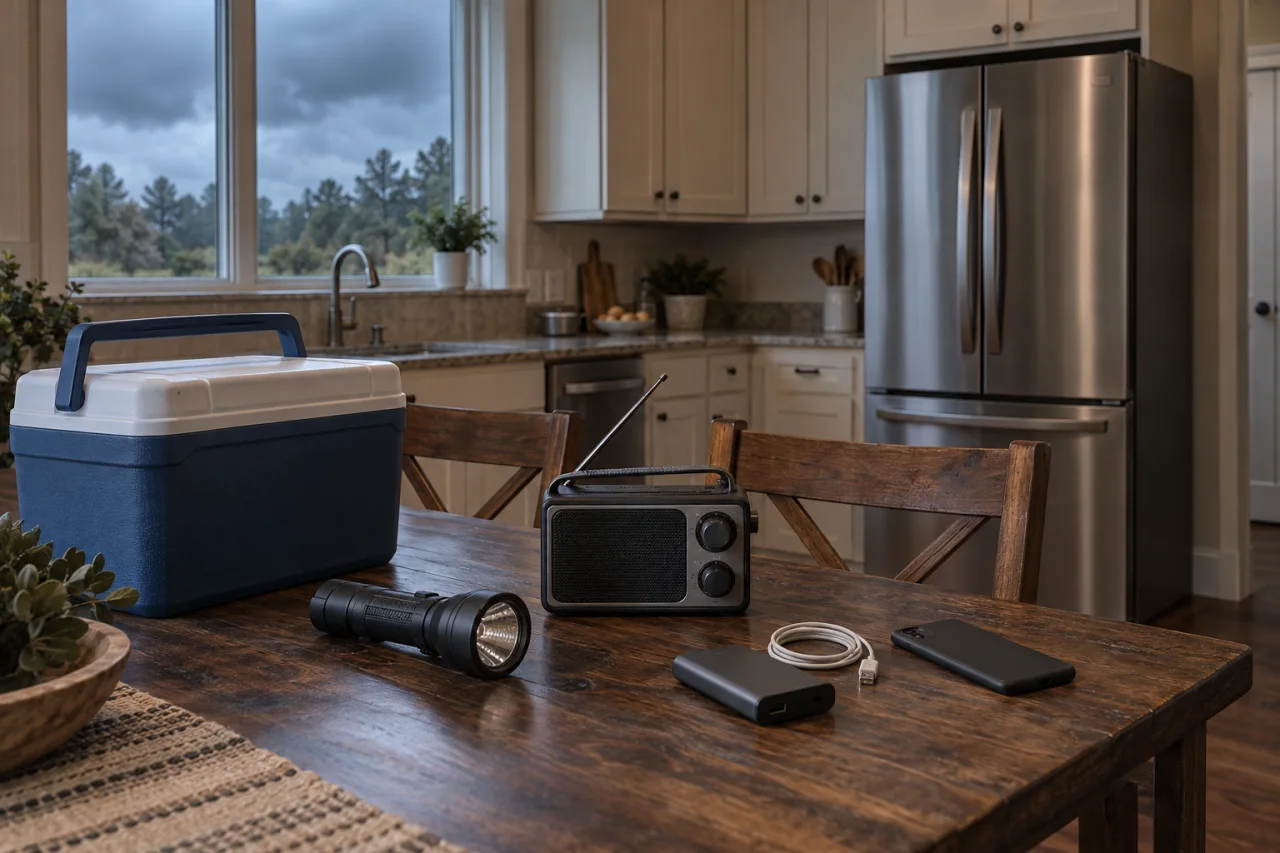
A Moore County Storm-Outage Plan for Essential Power Needs
Build a household outage plan around essential needs, safe generator operation and practical alternatives—not assumptions about when power will return.
Generator Readiness: Maintenance Records, Warning Signs and Safe Limits
A running engine is only part of generator readiness. Learn how to track maintenance and operating hours, preserve fault information and recognize when safe observation should give way to qualified service or emergency help.